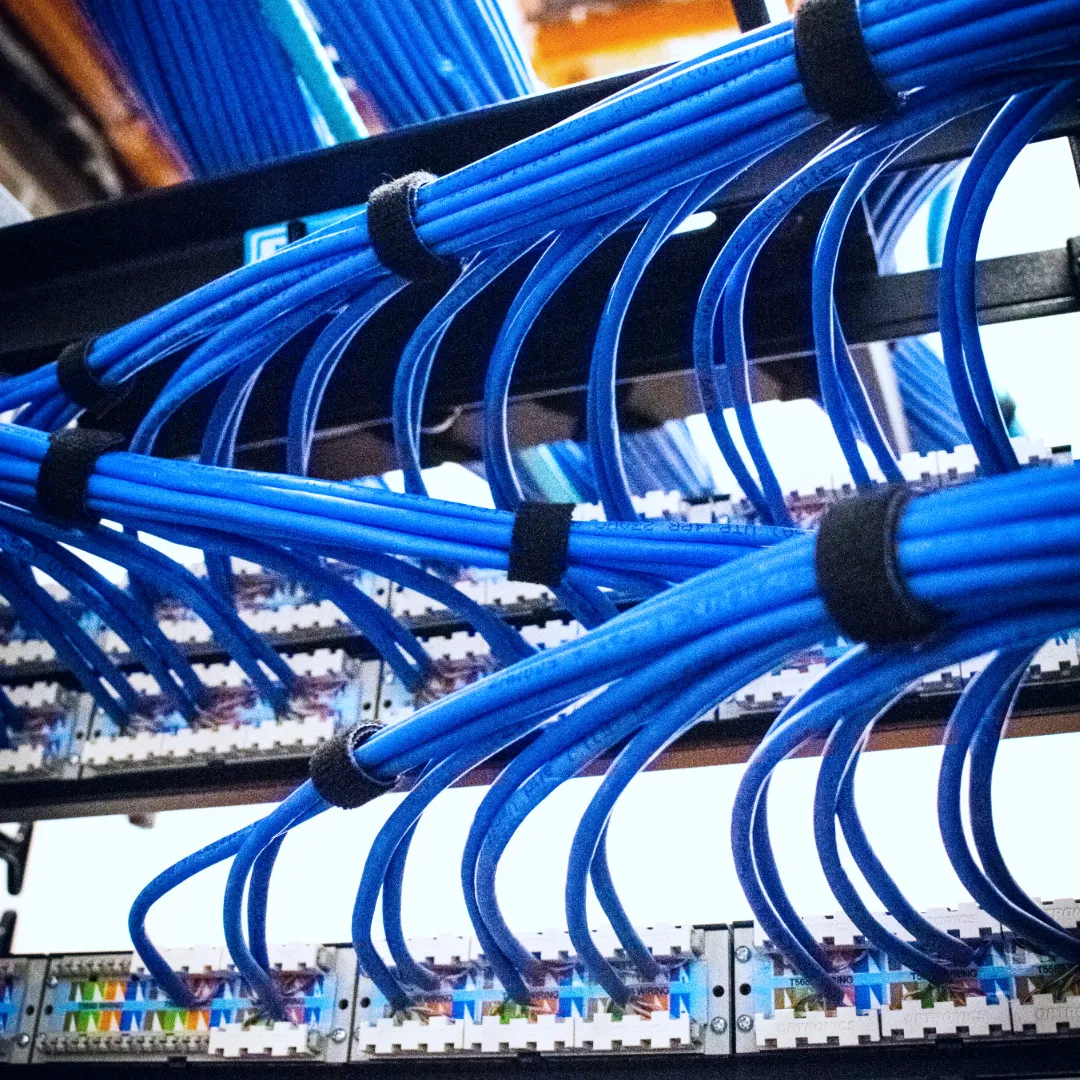
Why Clean Cabling Is Critical for Security Systems
What’s Behind the Panel Matters: Why Clean Cabling Is Critical for Security Systems
When most people think about a security system, they picture the parts they can actually see— cameras mounted on buildings, card readers by doors, intrusion devices protecting entry points, and maybe a monitoring station somewhere in the background. But the truth is, some of the most important parts of any security system live behind the scenes.
Open a control panel, and you’ll quickly see the difference between a system that was installed with care and one that was simply “made to work.” Organized cables, proper labeling, clean terminations, and a polished layout are not just about aesthetics. They directly impact the performance, reliability, serviceability, and long-term value of the entire system.
That’s why clean cabling matters.
Recently, while upgrading the security infrastructure at VSU, we were reminded of something we believe strongly: what’s behind the panel matters just as much as what’s out in the field. A clean panel is more than a nice photo opportunity—it’s a reflection of quality workmanship, thoughtful planning, and a team that takes pride in every part of the installation.
In this article, we’ll break down exactly why clean cabling is critical for security systems, what a well-built panel says about an installer, and why messy wiring can become a costly problem over time.
Why Clean Cabling Matters in Security System Installations
A security system is only as strong as the infrastructure supporting it. Cameras, access control devices, alarm components, and power supplies all rely on organized, dependable connections behind the scenes. If the cabling inside a panel is messy, unlabeled, or improperly routed, even high-end equipment can become harder to maintain and more prone to issues.
Clean cabling matters because it supports:
System reliability
Easier troubleshooting
Faster service and maintenance
Safer working conditions
Scalability for future growth
A more professional, durable installation
In other words, neat wiring is not just about making a panel look polished. It helps ensure the system performs the way it should, today and years down the road.
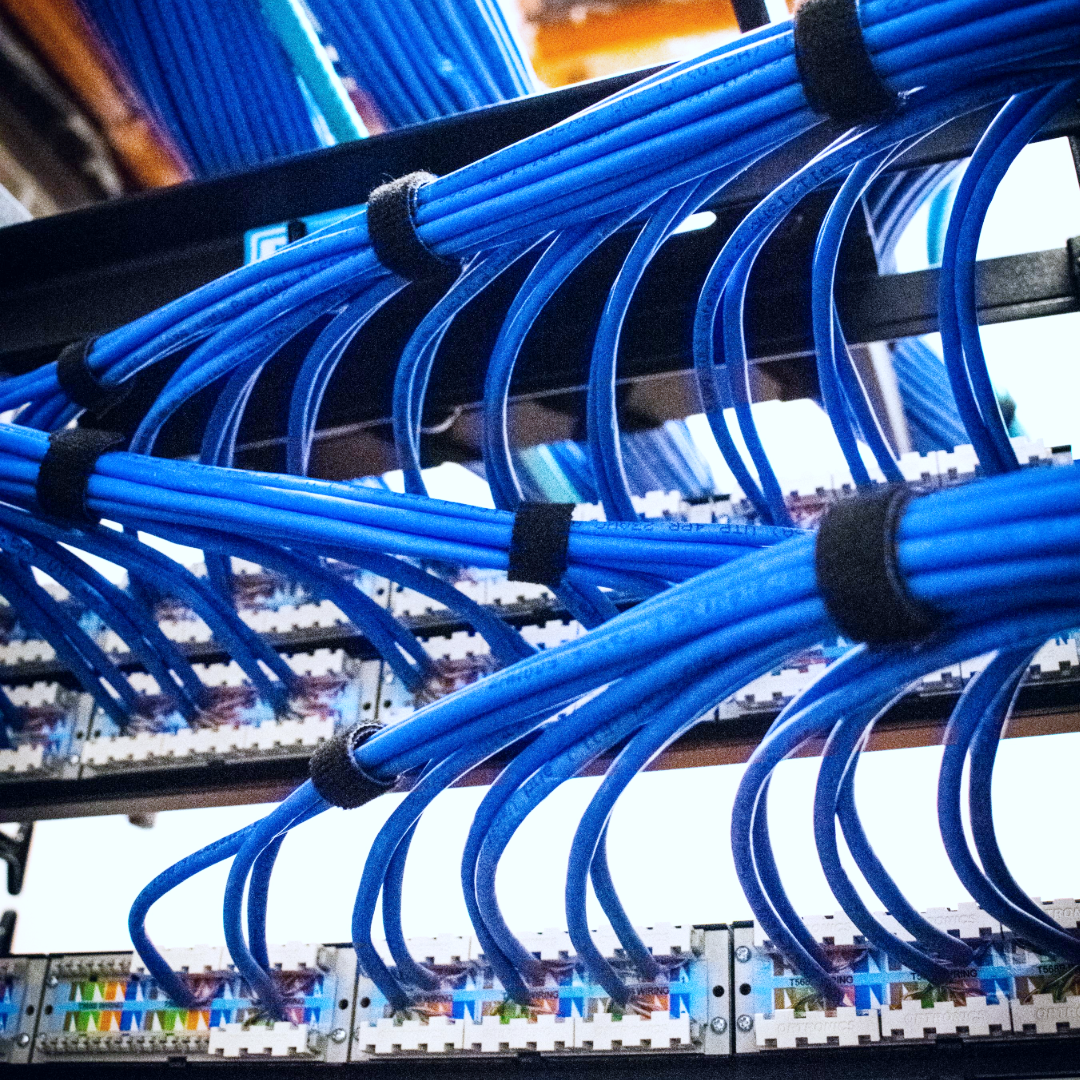
A Clean Panel Reflects the Quality of the Entire Security System
There’s an old saying in construction and technical trades: you can tell a lot about a job by what no one sees. That certainly applies to security systems.
When you open a panel and find neatly dressed cables, consistent routing, clean bundles, and clearly organized components, it tells you several things right away:
The installation was planned, not rushed
The team understood best practices
Future maintenance was taken into account
The installer cared about doing the job right, not just finishing it quickly
On the other hand, a panel full of tangled, crossing, unlabeled wires can be a warning sign. It often points to shortcuts, poor documentation, limited forethought, or a lack of craftsmanship.
For facility managers, property owners, school administrators, and operations teams, that difference matters. A security system is an investment. It should function reliably, be easy to service, and support future upgrades without turning every visit into a major headache.
Clean Cabling Improves Troubleshooting and Maintenance
One of the biggest benefits of a clean, organized panel is how much easier it makes troubleshooting.
When cables are clearly routed and properly managed, technicians can quickly identify what goes where. That means if a device goes offline, a reader stops responding, or a camera connection needs to be checked, the issue can be isolated faster. Service calls become more efficient, and downtime is minimized.
Compare that to a “cable monster” scenario—wires crossing over each other, bundles with no labels, inconsistent colors, excess slack stuffed anywhere it fits, and no clear routing path. In those situations, even a simple maintenance task can take far longer than it should. Technicians may need to spend valuable time tracing wires manually, moving cables just to access a terminal, or carefully avoiding accidental disruptions to neighboring connections.
That added labor translates into:
More time on service calls
More opportunity for mistakes
More disruption to the customer
Higher maintenance costs over time
A clean panel saves time because it creates clarity. And in service work, clarity is everything.
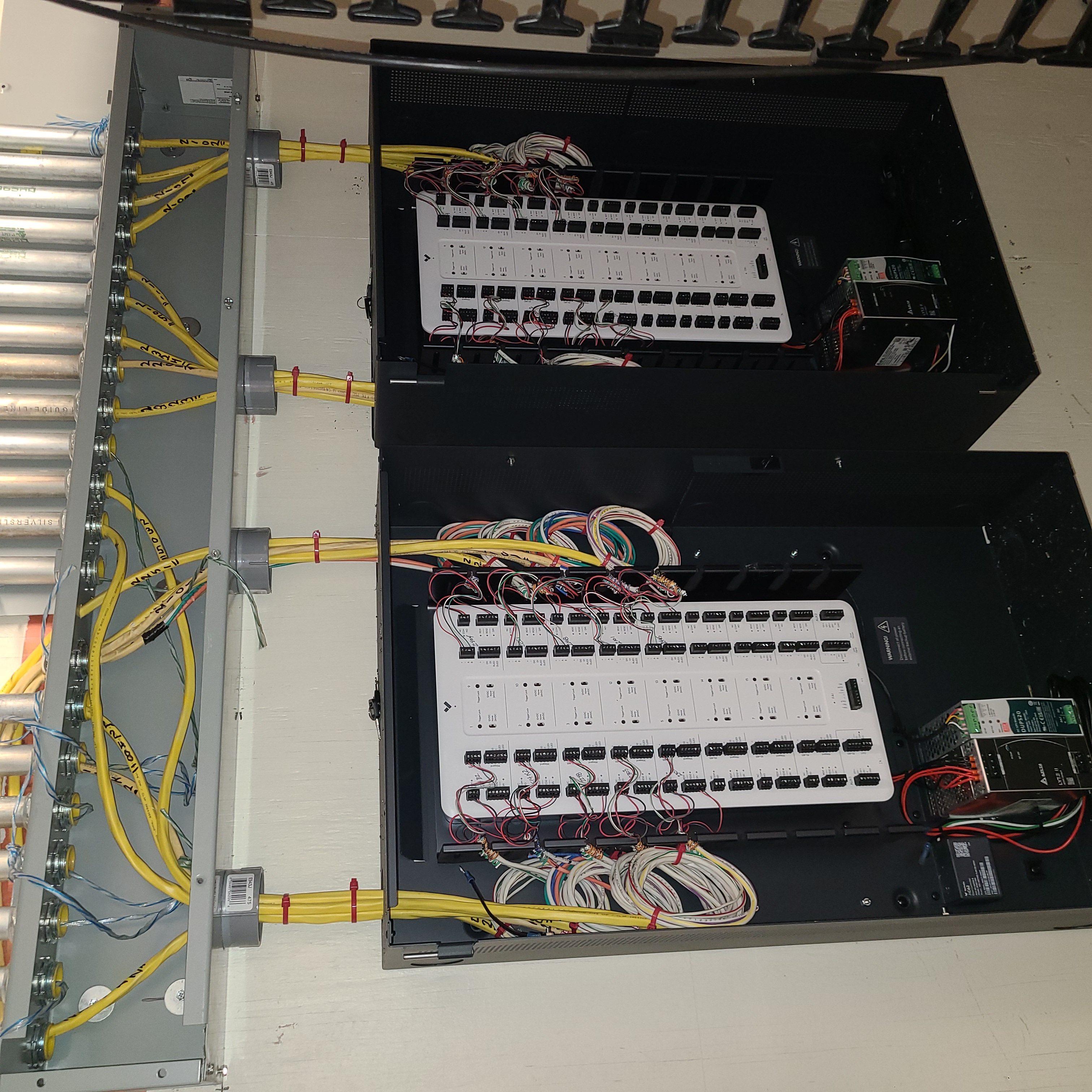
Organized Security Panels Support Long-Term Reliability
Security systems are not static. Over time, devices get added, upgraded, moved, or replaced. Buildings expand. Technology evolves. Operational needs change. A panel that is already disorganized on day one only becomes more difficult to manage as the system grows.
Clean cabling creates structure that supports long-term reliability.
Proper cable routing helps reduce strain on connections. Organized terminations make it easier to inspect wiring and identify wear before it becomes a problem. Labeled and separated cable runs help prevent accidental disconnections. A thoughtfully designed panel also makes future integrations much smoother, whether that means adding more doors, expanding coverage, or improving system capabilities.
In environments like schools, universities, multifamily properties, commercial buildings, healthcare facilities, and municipal spaces, reliability is critical. Security systems are not a convenience; they are a core part of the facility’s operational readiness. When something goes wrong, you need confidence that the infrastructure supporting the system has been installed correctly.
That confidence starts behind the panel.
Neat Wiring Makes Future Upgrades Easier
If your security system will ever be expanded—and most are—then panel organization matters even more.
A clean, polished panel leaves room to grow. It allows technicians to:
Add circuits without disturbing existing connections
Identify available capacity quickly
Integrate new equipment more efficiently
Maintain consistency across the system
Update documentation without confusion
This is especially important in educational campuses and large facilities where needs can evolve quickly. New buildings may be added. Additional cameras may be required. Doors may need upgraded access control. Legacy components may need to be replaced or migrated into newer platforms.
When the original installation is clean and well-structured, those changes become manageable. When it is chaotic, every upgrade becomes more expensive and more disruptive.
A panel that looks polished today is also a panel that is better prepared for tomorrow.
Clean Cabling Is Also a Sign of Pride in Workmanship
Let’s be honest: appearance does matter.
Not because a panel is meant for display, but because clean work reflects a professional standard. It shows discipline. It shows attention to detail. It shows that the installer values not just function, but excellence.
Anyone can make a system work. Not everyone takes the time to make it work cleanly, logically, and professionally.
That difference is important to us.
When TCI completes a security upgrade, we do not just focus on getting devices online. We focus on building infrastructure that is organized, polished, and dependable—because the details matter. Clean cable management, straight routing, thoughtful layout, and service-friendly design are all part of doing the job right.
It’s the kind of quality that may not always be obvious to the general public, but facility teams, IT staff, maintenance personnel, and future service technicians notice it immediately.
And more often than not, the systems that are easiest to support are the ones that were installed with care from the beginning.
What Makes a Security Panel “Clean”?
A clean security panel is not just one with fewer visible wires. It is one that has been intentionally designed and installed for performance, clarity, and maintenance.
Some of the hallmarks of a clean, professional panel include:
1. Organized Cable Routing
Cables enter and travel in a consistent, logical path rather than crossing randomly through the enclosure.
2. Proper Cable Management
Bundles are secured neatly with appropriate spacing and support, avoiding unnecessary tension or clutter.
3. Clear Separation of Connections
Power, signal, and device wiring are routed thoughtfully to support clean serviceability and readability.
4. Labeling and Documentation
Each connection is identifiable, making diagnostics and future work far easier.
5. Accessible Components
Technicians can reach terminals, boards, and power supplies without digging through tangled wiring.
6. Room for Expansion
The panel is built with growth in mind, instead of cramming every inch with no plan for future changes.
When all of these factors come together, the result is a panel that is not only attractive but also functional, efficient, and durable.
The Cost of a “Cable Monster”
A messy panel might seem like a small issue—until it isn’t.
The real cost of poor cable management often shows up later in ways that are easy to overlook at first:
Slower repairs
More expensive service visits
Increased chance of wiring mistakes
More difficult upgrades
Greater risk of accidental disconnections
Reduced confidence in the system as a whole
A disorganized panel can also create frustration for every technician who touches it in the future. What should be a routine service check becomes a time-consuming puzzle. What should be a straightforward expansion becomes a complicated workaround.
Over time, that adds up.
That’s why clean cabling is not just a cosmetic win—it’s an operational one.
Why Behind-the-Scenes Quality Should Matter to Every Customer
If you are responsible for a facility, property, campus, or portfolio, it is worth asking a simple question:
What does the infrastructure behind your system actually look like?
Because even if your cameras are online and your doors are functioning today, the quality of the installation behind the panel will affect how easy that system is to maintain, scale, and trust in the future.
Customers should not have to choose between functionality and craftsmanship. A professional security install should deliver both.
The best systems are not only designed to perform well in daily operations—they are also built to be supported long-term. That means thinking beyond the visible devices and investing in the quality of the underlying work.
Final Thoughts: What’s Behind the Panel Really Does Matter
At the end of the day, clean cabling is about more than appearance.
It supports reliability. It simplifies troubleshooting. It lowers long-term service costs. It makes upgrades easier. And it reflects a level of pride and professionalism that customers deserve.
A polished panel tells a story. It says the system was installed with care. It says the team thought about the future. It says the work was done right.
That is exactly how security infrastructure should be built.
So here’s the question we like to ask:
Does your panel look clean, organized, and polished—or is it a cable monster with wires going everywhere?
If the answer is the second one, it may be time to take a closer look at what’s behind the panel.
Because when it comes to security systems, what’s behind the panel matters.
